Where Your £10 Goes Inside the Original Reel
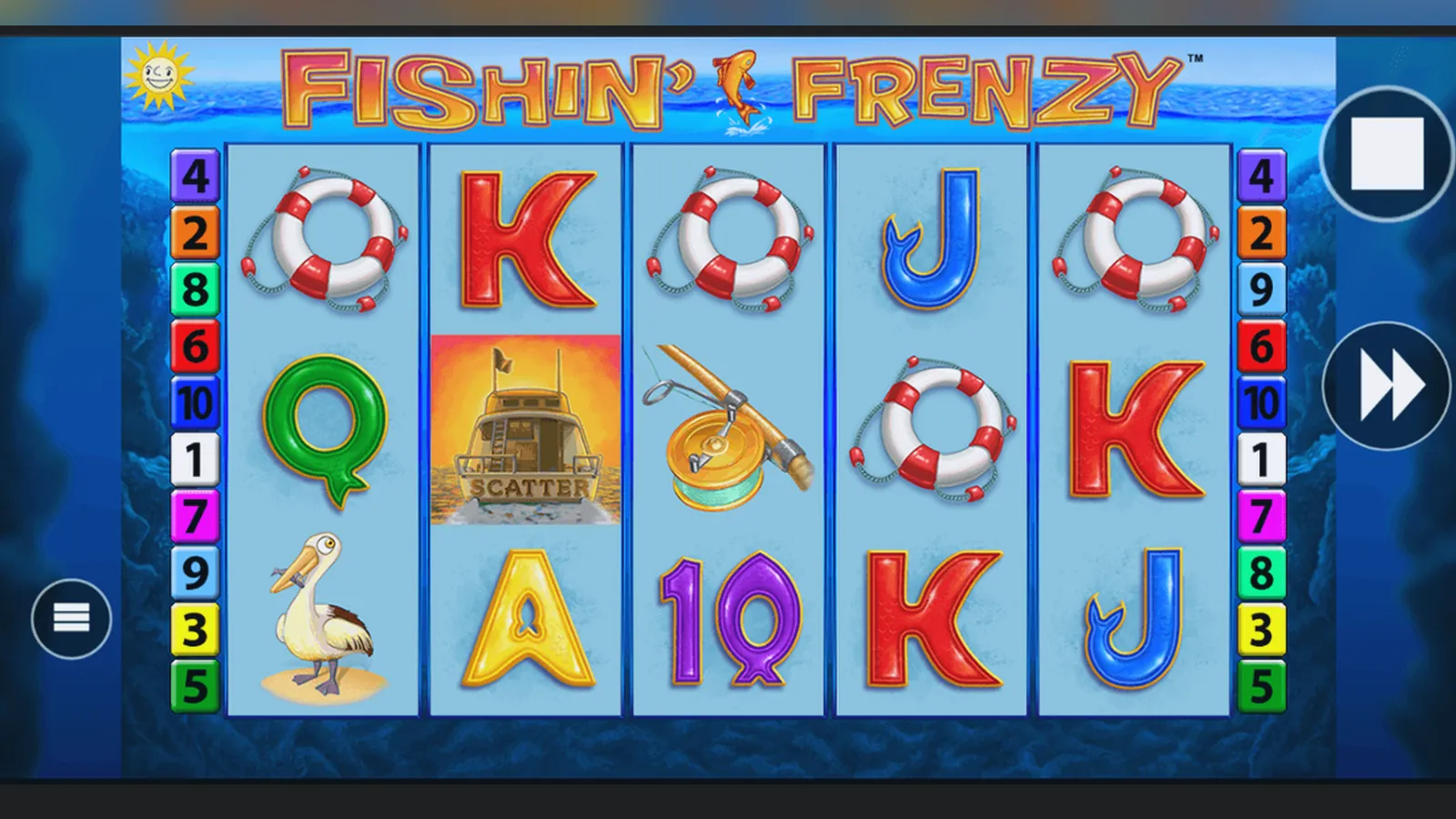
Five reels spin, a fisherman in a yellow mac lands on reel three, and four fish scatter across the grid. The round ends, you're £1.20 lighter, and the feature trigger sits one scatter short. That's Fishin' Frenzy in its most common outcome — a near-miss that makes you consider one more spin.
Blueprint Gaming released the original in 2014, and it became one of the stickiest low-variance slots in UK casinos. A decade later, clones and rethemed versions litter the lobby, but the core game still runs under a UKGC-certified RNG and strict stake caps. This page walks through the mechanics as they actually operate, the numbers that govern your session, and the detail that separates the original from the imitations.
Blueprint's Build and the Certification Trail
Blueprint Gaming holds a UK remote casino software licence and supplies the original Fishin' Frenzy to operators who in turn need their own UKGC licence to serve British players. The game's RNG and return percentage have been tested by an accredited lab — typically iTech Labs or Gaming Laboratories International — and that certification sits on file with the regulator.
You won't see the certificate on the casino floor, but every UKGC-licensed site must list its licence number in the footer and appear in the public register. Look the operator up, match the number, and you know the games inside have cleared the same gate. If a site skips that detail or sits outside the register, it's unlicensed and illegal to advertise here.
What Happens When You Press Spin
You choose a stake — anything from £0.10 to £5.00 under the UKGC cap, or £2.00 if you're aged 18 to 24 — and the reels evaluate across ten fixed paylines. The RNG picks fifteen symbols, one for each position, before the animation starts. The fisherman wild substitutes for everything except the scatter, and three or more scatter fish anywhere on the grid trigger the free-spins feature.
Inside free spins every fish symbol reveals a cash value, and the wild collects them when it lands. That's where the session's largest wins concentrate, but the feature frequency sits low enough that you can burn twenty or thirty base-game spins between triggers. With an RTP around 96.00–96.06%, the house edge takes roughly £4.00 from every £100 wagered over the long run, and short-run variance means your own hundred spins might return £60 or £140.
- Base game: line wins only, wild substitution, scatter count toward the feature.
- Free spins: ten rounds, fish reveal prizes, wild collects every visible fish value on that spin.
- Volatility: low to medium; frequent small wins, rarer large payouts clustered in the feature.
The Numbers That Frame Your Session
Blueprint's tech sheet gives you the skeleton. The minimum stake is £0.10, the maximum under UKGC rules is £5.00 per spin, and the top win caps at 5,000× your stake — £25,000 if you're betting the daily limit at £5.00. The RTP hovers around 96%, though some operator configurations drop it slightly when a progressive jackpot system layers on top.
At £0.50 a spin you'll spend £30 every hundred rounds. If you hit the feature four times in that stretch — close to expectation — and each feature pays 15–40× your stake, you might finish near even or slightly down. Miss the feature entirely and your balance drops faster. The low volatility keeps the swings smaller than a high-variance slot, but it also means the ceiling on a single session sits lower.
Mechanics That Move the Bankroll
Three systems control where your money goes: the paytable, the wild substitution, and the feature collection mechanic. In the base game, line wins come from left to right across ten paylines, and the wild fisherman steps in for any symbol except the scatter. The paytable is shallow — five of the top symbol pays around 50× your line bet, or 5× your total stake — so base-game wins rarely return more than your spin cost.
The feature is where the maths tilts. When you land three or more scatter fish, you enter ten free spins. Every fish symbol on the reels now shows a cash value, typically 2× to 20× your stake, and whenever the wild lands it collects every fish value visible on that spin. A wild on reel three with six fish scattered across the grid can deliver 60–120× your stake in one go.
The catch: feature frequency sits around one trigger per thirty to forty spins, and inside those ten free rounds you need the wild to land multiple times and align with high-value fish. A feature with no wilds pays nothing extra, and a feature with one wild and two low-value fish might return 8× your stake. The headline wins — 500× and higher — need stacked wilds and a full grid of fish, a combination rare enough that most sessions never see it.
- Stake selection: lower stakes stretch your spins, higher stakes chase the £25,000 cap but empty your balance faster under the same dry streak.
- Feature dependency: base-game RTP sits below 50%; the majority of your return arrives inside free spins, so missing the feature for fifty spins drains funds quickly.
- Wild placement: the wild only collects fish on the spin it lands, so a feature with wilds on spins one, two, and three pays more than wilds on spins eight, nine, and ten if fish density is the same.
Clones, Sequels, and the Ten-Second Check
Blueprint has released at least six official variants: Fishin' Frenzy Megaways, The Big Catch, Even Bigger Catch, Fishin' Frenzy Prize Lines, Jackpot King, and others. Each changes the reel layout, feature rules, or jackpot structure, and each carries its own RTP and volatility profile. Megaways adds up to 117,649 ways to win and shifts volatility higher; The Big Catch increases the max win and feature frequency.
Unlicensed clones strip the Blueprint branding, swap the fish artwork, and sometimes tweak the paytable to dodge copyright. These versions circulate on unregulated sites, often outside the UKGC's reach, and they carry no RNG certification or dispute resolution. The maths might match the original or it might not — you can't verify it without the test report.
| Detail | Original | Common clone marker |
|---|---|---|
| Provider credit | Blueprint Gaming logo in-game | No provider, or generic studio name |
| Operator licence | UKGC number in footer, public register match | No licence disclosure or offshore registry |
| Stake range | £0.10–£5.00, £2.00 cap for 18–24 | No enforced cap or stakes in dollars |
| RTP disclosure | Stated in game rules or site help | RTP missing or unverified claim |
The ten-second check: open the game rules or info screen and look for Blueprint's name and the RTP figure. Then scroll to the casino footer and confirm the UKGC licence number appears in the register. Both present means you're on the original through a legal operator; either missing means you're somewhere else.
Where the Original Runs for British Players
Every major UKGC-licensed casino stocks Fishin' Frenzy because Blueprint's distribution is wide and the game's session length suits the stake-cap environment. You'll find it at Bet365, William Hill, Ladbrokes, Sky Betting & Gaming, and dozens of smaller operators. Demo mode is common, though many sites gate free play behind age verification — you log in, pass the ID check, then toggle between demo and real money.
Real-money play requires a debit card, PayPal, Apple Pay, or open banking; credit cards have been banned for gambling since 2020. Deposits post instantly, but your first withdrawal waits for KYC — proof of identity and address, reviewed within 24 to 48 hours. After that, e-wallet and Faster Payments withdrawals clear within hours to two working days.
Affordability checks now start from £150 net deposits in a calendar month. Operators pull credit-reference data at the first stage, and if you cross higher thresholds — typically £1,000–£2,000 a month — they'll ask for payslips or bank statements. The process is intrusive but mandatory, and it applies across every UKGC site.
What a Session Costs in Practice
A hundred spins at £0.50 costs £50. The RTP suggests you'll see £48.00 back on average, but variance means your actual return might fall between £30 and £70. If you hit two features and each pays 25×, that's £25.00 recovered, and you'll need base-game line wins to cover the rest. Miss both features and you're likely finishing the session down £15–£20.
Scaling up to £2.00 a spin — the cap for 18- to 24-year-olds — means £200 per hundred rounds. A single feature paying 40× returns £80, but you need three or four features to break even, and the swings widen. At £5.00 a spin the ceiling lifts to £25,000, but the floor drops just as fast: two hundred spins without a feature costs £1,000, and low-to-medium volatility won't protect you from that stretch.
The game's appeal sits in its transparency. You know the stake cap, the max win, and the feature frequency. There's no mystery mechanic or hidden multiplier, and the maths doesn't change between sessions. What you lose is the control over when the feature lands — the RNG won't trigger it early because you're down, and it won't delay it because you're winning. Every spin is independent, and the house edge grinds the same whether you bet £0.10 or £5.00.
FAQ
How do I confirm I'm playing the original Fishin' Frenzy and not a clone?
Open the in-game rules or info screen and check for Blueprint Gaming's name and the stated RTP, usually around 96%. Then scroll to the casino footer and look up the operator's UKGC licence number in the public register. If both match, you're on the certified original. If the provider name is missing or the operator has no UKGC licence, it's either a clone or an unlicensed version.
Why does the free-spins feature feel rare even though the game is low volatility?
Low volatility means smaller swings in your balance, not frequent features. Fishin' Frenzy triggers free spins roughly once every thirty to forty spins, and because the base-game RTP sits below 50%, most of your expected return concentrates inside those ten feature rounds. You'll see steady small line wins between features, but the big multipliers depend on wild placement and fish density during free spins, both of which vary widely.
What's the real cost difference between betting £0.50 and £5.00 per spin?
At £0.50 you'll spend £50 per hundred spins, and a feature paying 30× returns £15. At £5.00 you'll spend £500 per hundred spins, and the same 30× feature pays £150. The RTP and feature frequency stay identical, so the house edge takes the same percentage either way. Higher stakes amplify both wins and losses — you'll hit the £25,000 max-win cap faster, but you'll also burn through your balance faster during a dry stretch.
Do I need to register with GAMSTOP before I can play, or only if I want to self-exclude?
GAMSTOP is the UK's self-exclusion scheme, and you only register if you choose to block yourself from all UKGC-licensed sites for six months to five years. You don't need to join it to play. Every operator will check you're over 18 and verify your identity before your first deposit or withdrawal, but that's standard KYC, not GAMSTOP. If you're already registered with GAMSTOP, you won't be able to open an account at any licensed casino until your exclusion period ends.